
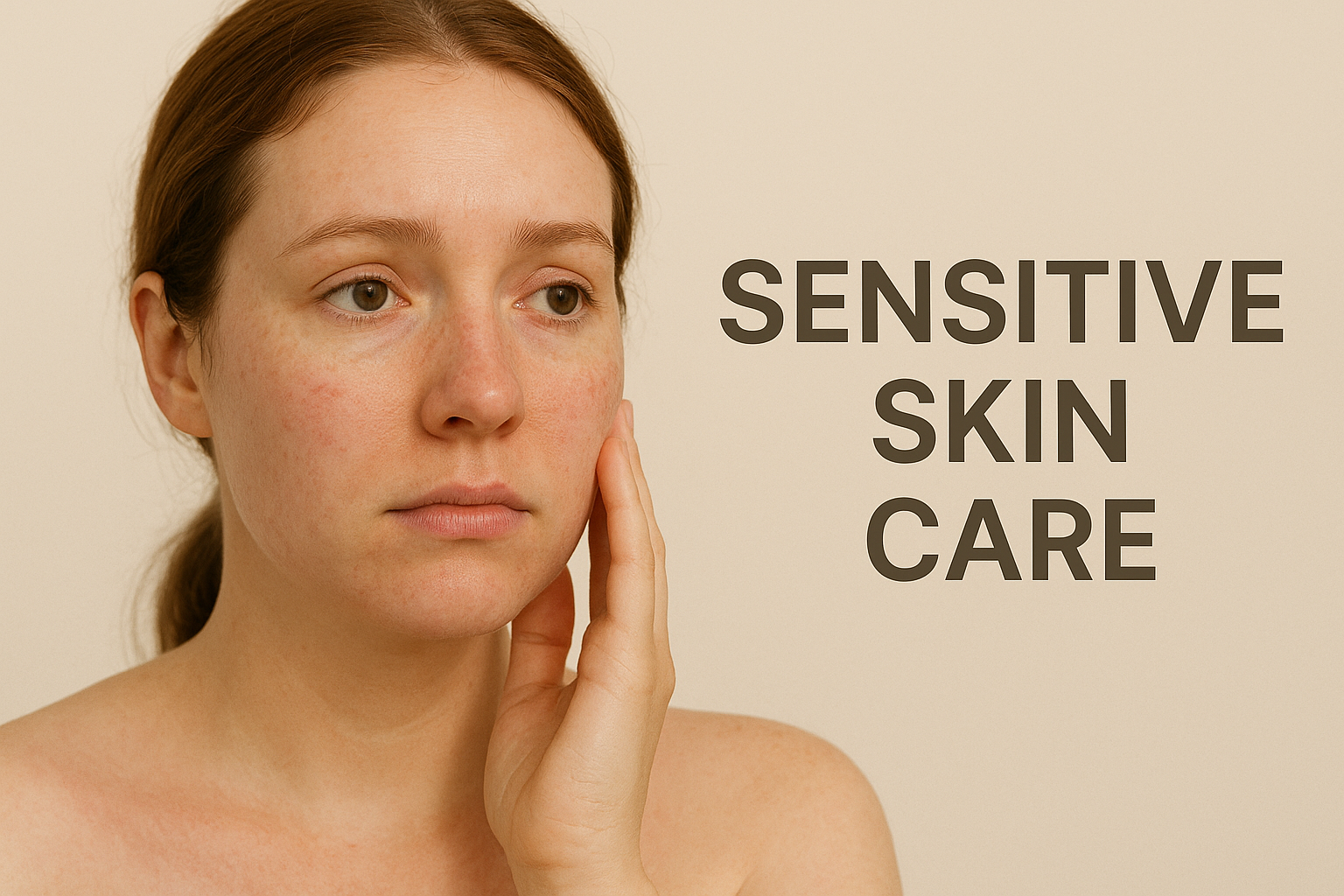
If you have sensitive skin, you know how challenging it can be to find products that don’t cause redness, irritation, or breakouts. Sensitive skin reacts easily to environmental factors, harsh ingredients, and even stress. But with the right skincare routine, you can keep your skin calm, nourished, and radiant.
Understanding Sensitive Skin
Sensitive skin is characterized by:
- Redness and irritation
- Dryness or flakiness
- Stinging or burning sensations
- Reactivity to skincare products
Common triggers include fragrances, alcohol, sulfates, and artificial dyes. The key to managing sensitive skin is using gentle, hypoallergenic, and fragrance-free products.
Best Skincare Routine for Sensitive Skin
1. Cleanse Gently
Avoid harsh foaming cleansers that strip natural oils. Instead, opt for a creamy or milky cleanser with soothing ingredients like:
- Aloe vera
- Chamomile
- Oat extract
Pro Tip: Wash your face with lukewarm water—hot water can worsen sensitivity.
2. Hydrate with a Soothing Toner
Skip alcohol-based toners and choose hydrating, alcohol-free options with:
- Rose water
- Green tea extract
- Cucumber extract
These ingredients help calm inflammation and restore skin’s pH balance.
3. Moisturize with Barrier-Repairing Ingredients
A good moisturizer for sensitive skin should contain:
- Ceramides (strengthen the skin barrier)
- Hyaluronic acid (locks in moisture)
- Shea butter (soothes dryness)
Look for fragrance-free formulations to minimize irritation.
4. Protect with a Mineral Sunscreen
Chemical sunscreens can irritate sensitive skin. Instead, use a zinc oxide or titanium dioxide-based sunscreen (SPF 30+). These provide broad-spectrum protection without clogging pores.
5. Exfoliate Carefully
Over-exfoliation can damage sensitive skin. If needed, use a gentle lactic acid or PHA-based exfoliant once a week. Avoid physical scrubs, which can cause micro-tears.
Ingredients to Avoid for Sensitive Skin
- Fragrances (natural & synthetic)
- Alcohol (denatured/ethanol)
- Sulfates (SLS/SLES)
- Essential oils (can be irritating)
Natural Remedies for Sensitive Skin
- Aloe vera gel – Soothes redness and inflammation.
- Oatmeal mask – Calms irritated skin.
- Cold compress – Reduces puffiness and redness.
Final Thoughts
Managing sensitive skin requires patience and the right products. Always patch-test new skincare items and introduce them slowly. With a gentle, fragrance-free routine, your skin can stay balanced and healthy.
Explore Plum Goodness’ range of sensitive-skin-friendly products—formulated with love and care for your delicate skin!
Share this content:
